
Why Interior Design Can’t Be Rushed
Understanding timelines, planning, and sequence in Montreal homes
Design projects don’t stall because people lack ideas.
They stall when decisions are made out of sequence.
Think of a design project like a line of dominoes. Each one needs to be placed carefully before anything starts to move. If one is rushed, skipped, or set too late, the rest won’t fall the way you expect.
That’s why one of the first questions we’re asked is also one of the most important:
How long does a design project really take?
The question behind the question
When clients ask if a design can be ready in a few weeks, or if they should reach out just before demolition, what they’re often really asking is this:
How early do I need to think about this so it doesn’t become stressful?
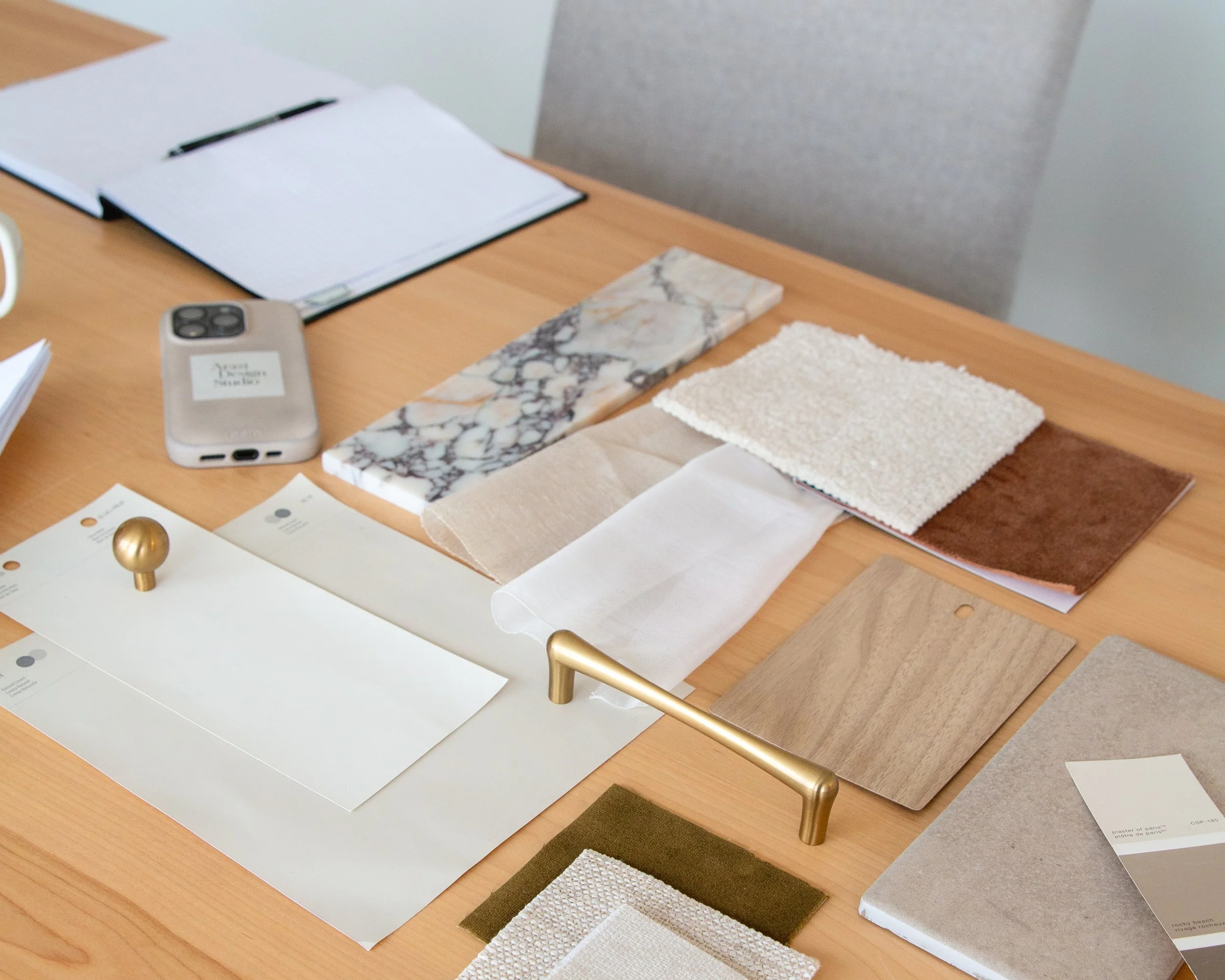
Interior design isn’t just about selecting finishes or pulling together a mood.
Especially when it comes to interior design in Montreal, where many homes come with layers of history, character, and architectural nuance, good design starts well before anything is chosen.
It’s about problem solving, planning, sequencing, and making thousands of small decisions in the right order so that the experience feels considered rather than rushed.
Time isn’t a hurdle. It’s the framework that allows a project to unfold well.
When should you reach out to a designer?
Earlier than most people think.
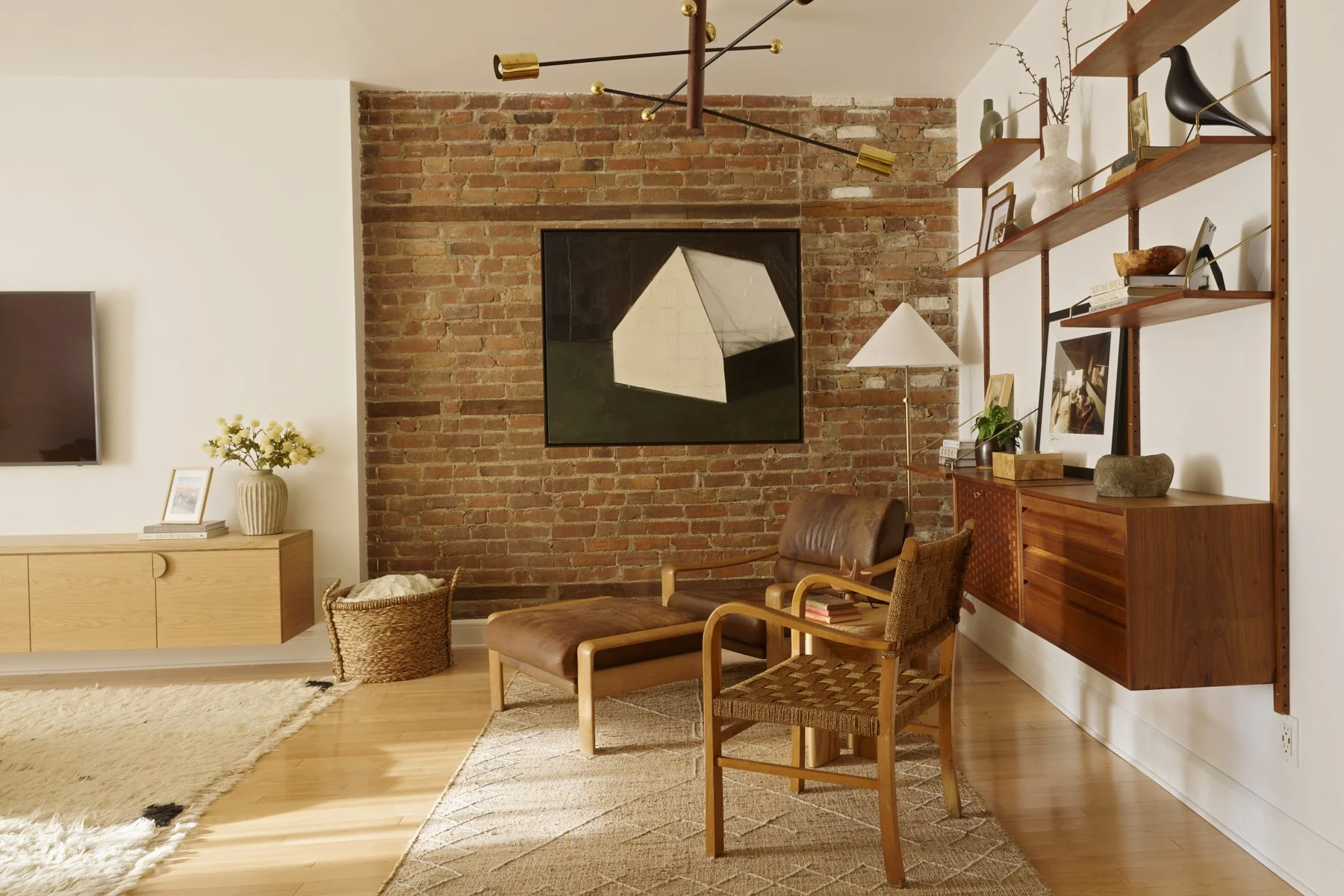
For many older Montreal homes, early planning is what allows character and functionality to coexist, rather than compete.
The ideal moment is when your ideas are still forming, not when construction is already underway. Even if you don’t have every detail figured out, early conversations allow us to:
Understand how you live and what isn’t working
Identify opportunities you may not have seen
Align design decisions with your desired investment from the start
Coordinate timelines with contractors and trades
Avoid costly or irreversible decisions made too quickly
Reaching out early doesn’t mean committing to everything at once. It means creating a roadmap so that each step builds on the last.
Why design can’t be rushed
Design is layered.
Think of it like a line of dominoes: each piece has to be set up carefully before the first one ever tips. If one is missing or placed out of order, the rest won’t fall the way it’s meant to.
Before anything is ordered or installed, we’re asking questions like:
How does this space need to function daily?
Who uses it, and when?
Where are the friction points?
What needs to last, and what can evolve?
These answers inform layout decisions. Layout informs cabinetry. Cabinetry informs lighting, electrical, and plumbing. Those, in turn, influence finishes, millwork details, and furniture planning.
Skipping steps or compressing timelines often means decisions are made without full context. That’s when projects feel overwhelming, and results can fall short of what was envisioned.
A realistic look at timelines
Every project is different, but here’s a general framework clients find helpful, particularly for larger-scale interior design projects in Montreal:
Design & Planning
Typically ranges from 8–12 weeks, depending on scope and complexity. This phase includes concept development, layouts, drawings, selections, revisions, and coordination, all done before construction decisions are locked in.
Procurement
Often overlaps with later design stages. Custom and trade pieces require longer lead times, and ordering early helps protect the construction schedule.
Construction
Varies widely based on complexity, availability of trades, and existing conditions. This is where good planning pays off.
Styling & Final Details
The finishing layer that brings everything together and makes the space feel complete.
When design is given the time it needs upfront, the later phases tend to move more smoothly and with far fewer surprises.
A common misconception about design timing
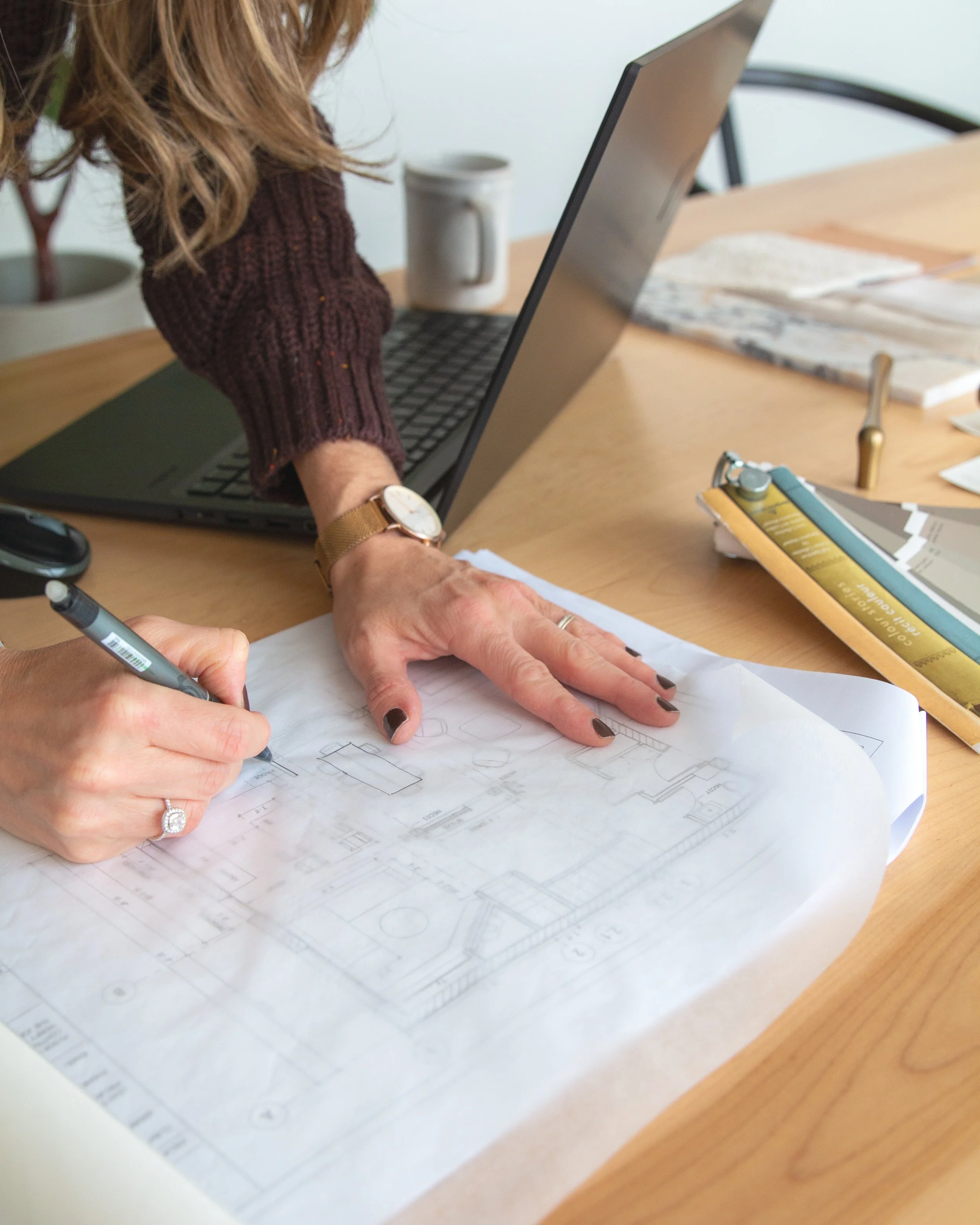
One of the biggest misconceptions about interior design is that it starts with finishes.
In reality, it starts much earlier. With planning, sequencing, and decisions that shape everything that follows.
When design is treated as something that can be layered on at the last minute, timelines tighten, options narrow, and pressure builds. When it’s given the space to lead, the entire project benefits.
The cost of waiting too long
When clients reach out mid-demo or with a fixed construction date looming, options narrow quickly.
Budgets become harder to control.
Selections can start to feel reactive rather than intentional, with decisions driven by what’s in stock instead of what you genuinely love.
Stress rises, and flexibility disappears.
Design becomes about keeping up rather than shaping the outcome.
Our goal is always to protect our clients from that experience.
A thoughtful place to begin

If you’re considering changes to your home, timing matters.
Not because design needs to be slow, but because it needs room to lead.
This is where our Discovery Call and Design Consultation become invaluable!
A Discovery Call is an opportunity to talk through your ideas, your home, and your goals. We look at where you are in the process, what questions you’re asking, and whether now is the right time to move forward. It helps homeowners understand what kind of support they need, and when they’ll benefit most from it.
A Design Consultation goes a step further. It allows us to review your space, your challenges, and your priorities in more detail, offering professional guidance on layout, planning, and next steps. Often, this conversation brings clarity around scope, sequencing, and timing long before any construction begins.
The most successful projects we work on are the ones where these conversations happen early. When planning leads, decisions are made in the right order, and the process is allowed to unfold deliberately, the experience feels calm and the outcome feels cohesive rather than pieced together.
Whether your project is months away or still taking shape, starting with the right conversation creates clarity and confidence.
If you’re wondering what your home needs, or when to begin, we’d love to help guide that first step.
Reach out to schedule your Discovery Call or Design Consultation and let’s start the conversation.